

Parental Influence & Environmental Education
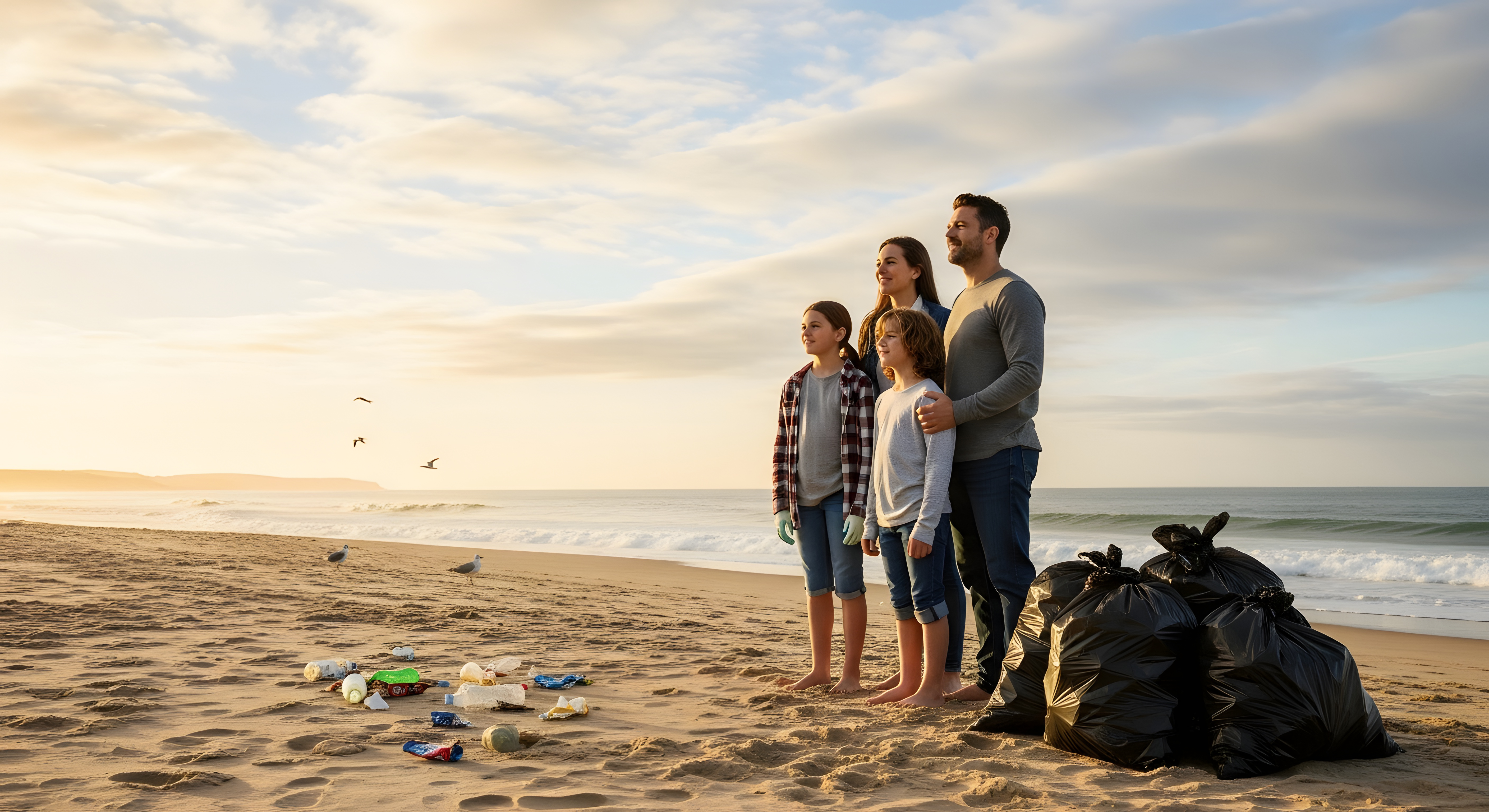
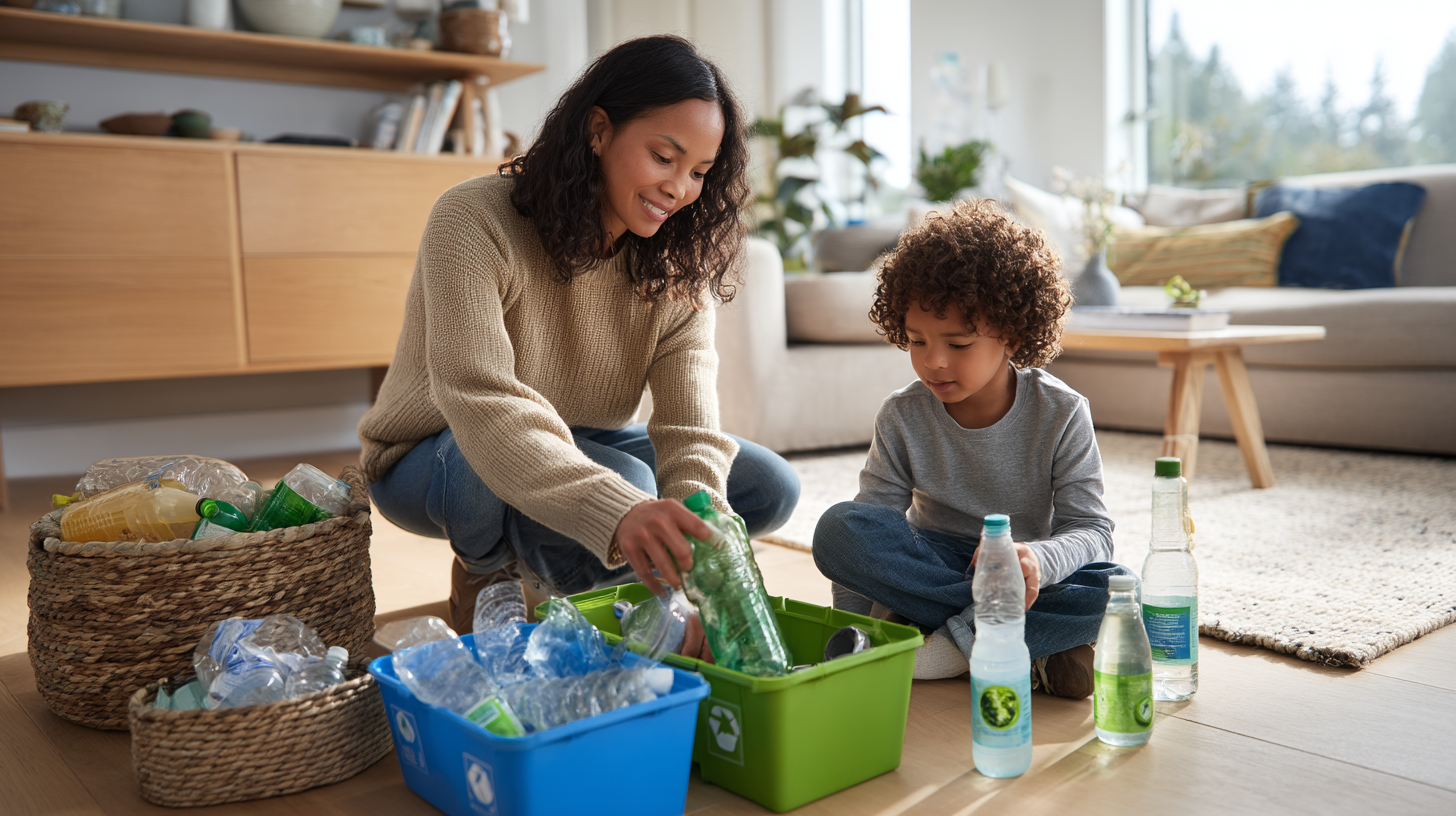
Parents aren’t just teaching values—they’re shaping everyday sustainability habits and the choices that become the next default.

Bite-size reads from our syndicated research and workflows—built to convert learnings into action.
Showing 8 of 8 results

Parents aren’t just teaching values—they’re shaping everyday sustainability habits and the choices that become the next default.

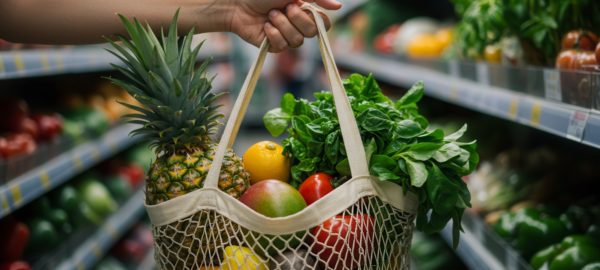
Younger buyers aren’t opting into sustainability — they expect it. New EcoFocus findings show how early eco-socialization shapes Gen Z and Millennial purchasing behavior, and what this means for CPG and retail leaders.

Great Lakes residents express deep concern about environmental threats—from plastics and water pollution to climate change—while weighing those fears against economic pressures. Businesses that highlight real eco-actions tied to watershed protection will resonate most.

Although nearly 8 in 10 people in the Great Lakes region grasp environmental facts — like plastic’s limited recyclability and methane’s potency — over half still feel unsure about how to put that knowledge into eco-friendly daily choices. The gap is especially wide among younger generations, underlining the urgent need for clearer guidance, better education, and more trustworthy sustainability solutions.

A survey of Great Lakes residents reveals that while environmental concern is high, people adopt eco-friendly behaviors only when they’re convenient—and want support from businesses and institutions to close the gap.

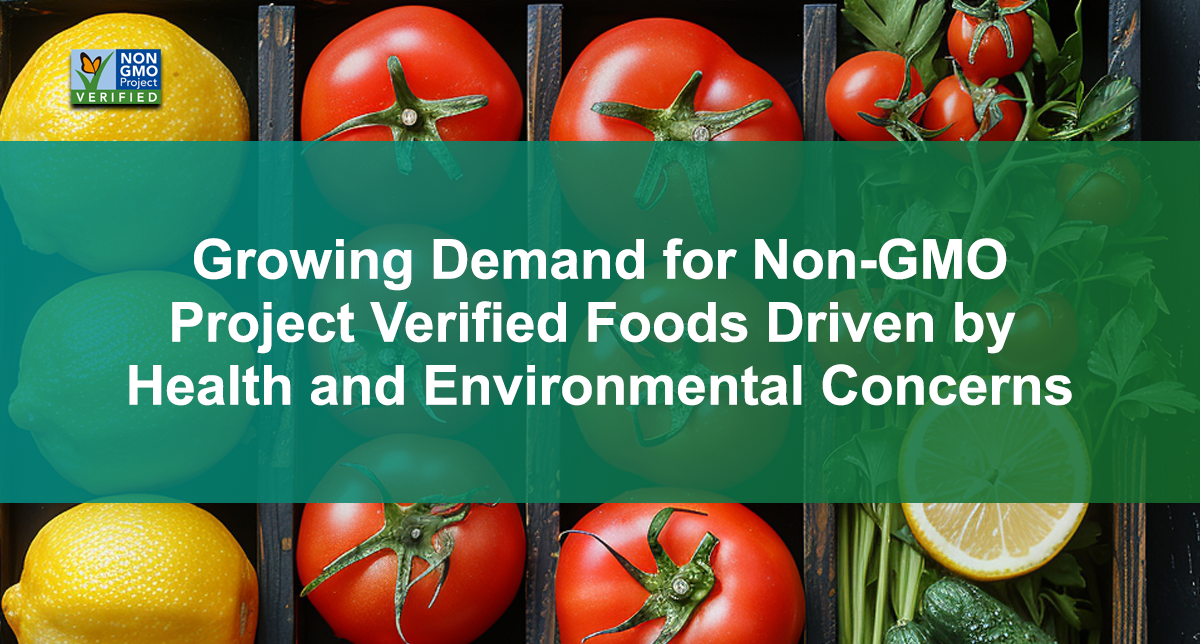
More than half of American grocery shoppers now say they’re “extremely” or “very” concerned about GMO food safety (54%), while 86% consider the environment in their purchase—and over half of those have begun avoiding GMO ingredients. Awareness of the Non-GMO Project Verified label has become especially powerful, influencing most who know it.

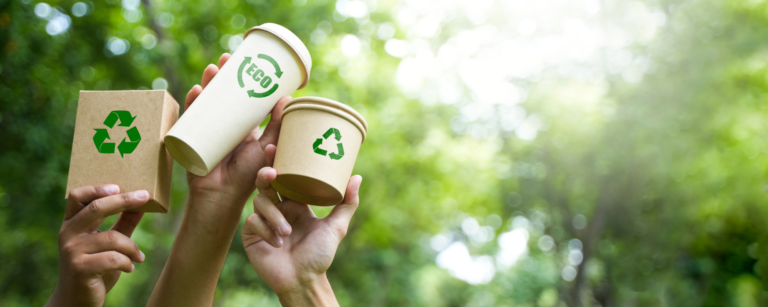
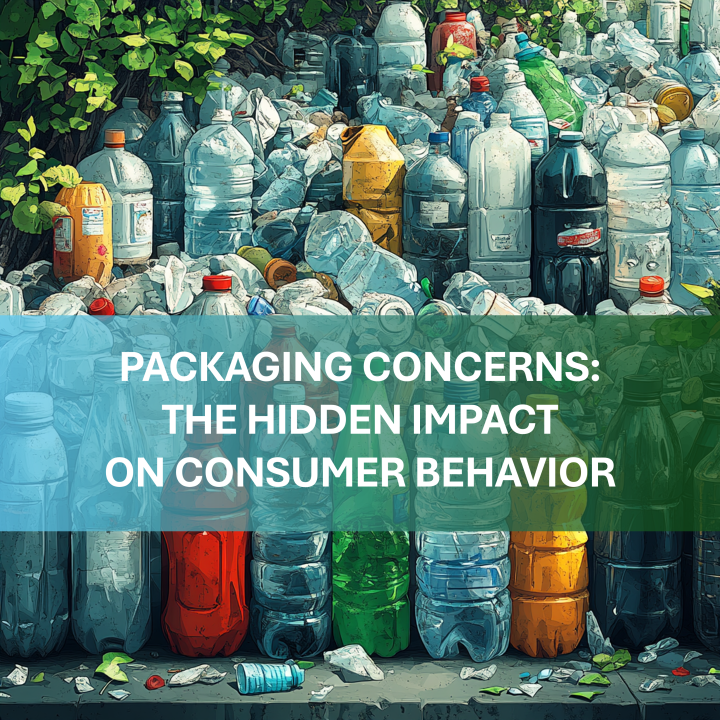
Packaging now does more than protect products—it shapes perceptions, drives purchase decisions, and can be the deciding factor for eco-minded consumers. Brands that invest in functional, sustainable, transparent packaging are building trust and standing out in competitive markets.

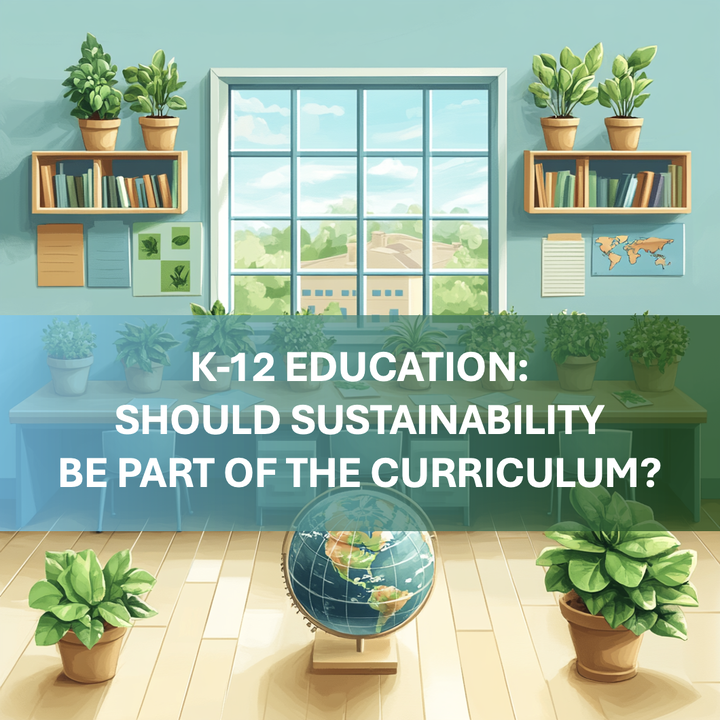
A resounding majority—71%—of survey respondents believe schools should formally teach environmental topics, with nearly half of that group (31%) expressing strong agreement. Meanwhile, only one in ten disagrees—just 3% strongly. These figures show how firmly environmental education has taken hold as a widely supported value.
You’ve reached the end.

Parents aren’t just teaching values—they’re shaping everyday sustainability habits and the choices that become the next default.

Younger buyers aren’t opting into sustainability — they expect it. New EcoFocus findings show how early eco-socialization shapes Gen Z and Millennial purchasing behavior, and what this means for CPG and retail leaders.

Great Lakes residents express deep concern about environmental threats—from plastics and water pollution to climate change—while weighing those fears against economic pressures. Businesses that highlight real eco-actions tied to watershed protection will resonate most.

Although nearly 8 in 10 people in the Great Lakes region grasp environmental facts — like plastic’s limited recyclability and methane’s potency — over half still feel unsure about how to put that knowledge into eco-friendly daily choices. The gap is especially wide among younger generations, underlining the urgent need for clearer guidance, better education, and more trustworthy sustainability solutions.

A survey of Great Lakes residents reveals that while environmental concern is high, people adopt eco-friendly behaviors only when they’re convenient—and want support from businesses and institutions to close the gap.

More than half of American grocery shoppers now say they’re “extremely” or “very” concerned about GMO food safety (54%), while 86% consider the environment in their purchase—and over half of those have begun avoiding GMO ingredients. Awareness of the Non-GMO Project Verified label has become especially powerful, influencing most who know it.

Packaging now does more than protect products—it shapes perceptions, drives purchase decisions, and can be the deciding factor for eco-minded consumers. Brands that invest in functional, sustainable, transparent packaging are building trust and standing out in competitive markets.

A resounding majority—71%—of survey respondents believe schools should formally teach environmental topics, with nearly half of that group (31%) expressing strong agreement. Meanwhile, only one in ten disagrees—just 3% strongly. These figures show how firmly environmental education has taken hold as a widely supported value.
Articles, trend callouts, and report highlights. No spam—unsubscribe anytime.
We’ll email you EcoNuggets. See our Privacy Policy.